
The 2022/3 Marketing Automation Update
They say you should work smart and not hard—and marketing automation is the smartest way to work. It's not just about increased efficiency; marketing automation makes you a better marketer!
Here's everything you want (and need) to know about marketing automation in 2022 and beyond.
What is Marketing Automation?
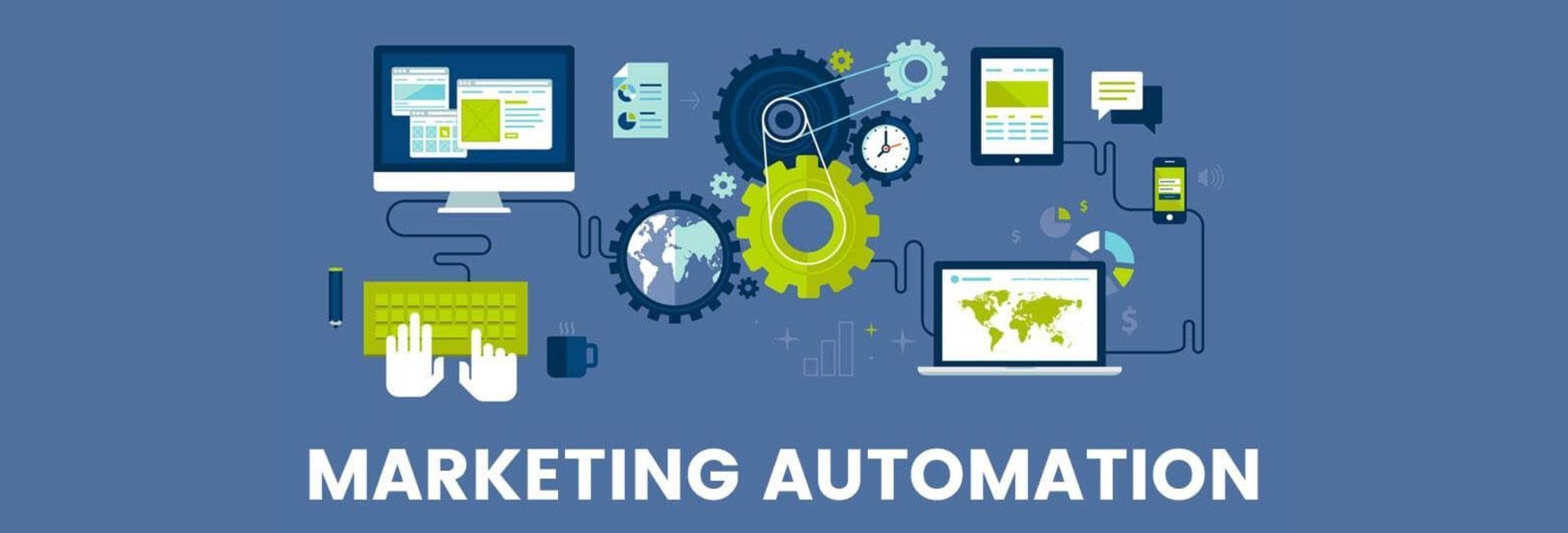
Marketing automation is employing software to replace manual, monotonous tasks. It speeds up and cleans up operations, generates greater outputs, and provides advanced analytics data.
The pace of business today is too fast, and the scope of the Internet is too vast for brands to try to reach all their prospects and adequately service them manually.
"Without marketing automation, it is nearly impossible to connect with every customer, across multiple channels, at each step of their journey. From lead generation to customer retention, successful B2B marketers must be able to use marketing automation to build omnichannel, highly targeted and personalised journeys."— Dr Dave Chaffey and Amelia Mayes.
Why Marketing Automation Matters
In other words, marketing automation makes you more competitive. You can reach and convert more people with minimal effort and resources.
You can spend more time and energy on improving your overall marketing game instead of getting stuck on granular tasks. If you think automating is cheating—think again. Your customers expect it. The type of personalisation that today's consumers expect can only be achieved through automation (read our blog about Powerful Marketing Personalisation).
In the B2B realm, you can grow customers' confidence in your ability to drive technological change in their organisation by how you employ technology on your own.
If You're Not Automating, You're Stagnating
Peer pressure arguments like "everyone is doing it" are seldom helpful, but the reality is that today, marketing automation is the gold standard.
So, if you're not automating, you're not moving forward.
Industry conversations revolve around the best marketing automation software, tools and techniques. Machine learning and AI have catapulted automation capabilities to the point where marketers ask, "What's the difference between intelligent automation and artificial intelligence?". More on that later.
Marketing Automation in Action With (Examples)
Let's look at what you can automate by following the typical user journey.
Programmatic Advertising
Programmatic Advertising is a form of marketing automation because it replaces direct media buying. Machine learning and AI determine which ads are displayed, when and to whom based on user behaviour. For example, if you recently searched for women's shoes, you'll see a footwear advert the next time you're on a site that sells iframe ad space (for this purpose).
Programmatic advertising assists with capturing attention at the awareness and consideration stages of the buyer journey.
Lead capturing and nurturing
You can automate the entire buyer journey from awareness to retention—that's powerful!
From the moment a prospect lands on your site, you can use marketing automation to walk beside them through the sales funnel to conversion.
- Website chatbots can greet and chaperone prospects through the funnel. Read more about chatbots for marketing here.
- Drip email marketing can also educate and compel prospects in their time (and turf). Learn more about email automation for nurturing campaigns here.
- Push notifications can send timely reminders to coax prospects to take that final action into conversion.
- SMS marketing is a valuable way to deliver incentives to tip teetering prospects into the funnel.
Customer onboarding
Many of the same marketing automation tools used for sales conversion can help you to onboard new customers without friction.
- Drip emails are again a handy way to onboard customers step-by-step. You can include a link to an online form to complete profiles (for CRM data), embed or link to video tutorials, provide support hub login details and much more.
- App gamification is another outstanding automation tool. Think about Discovery Vitality and how consumers educate themselves on the product as they strive to achieve more goals and earn more benefits.
Retention: Customer Relationship Management (CRM)
The secret to the function of Customer relationship management (CRM) lies in automation. CRM software is a must, helping you to manage ALL customer interactions. See why CRM is a gift your business needs.
Cross-selling and upselling
Finally, when all of our customers' interactions and transactions are captured in a reliable CRM system, you can use behavioural data to cross- and upsell.
- Offer customers the option to auto-replenish frequent orders.
- Send smart bundle offers when you notice that similar transactions often follow one another.
- Educate customers on the benefits of upgrades.
- Create lead referral campaigns for loyal patrons.
These examples may sound limited to retail or eCommerce, but the same principles apply to professional services such as IT managed services and even construction. For example, new builds and renovations almost always require painting, which you can bolt on as an incentive offer at the optimum time.

Are Automation and AI The Same Thing?
Marketing automation has advanced so much that marketers wonder where automation and AI begin. Or are they now one and the same?
For the time being, the two are separate, although AI complements automation in many ways. AI can recommend chatbot answers or recognise when to kick-start an automated process—but we’re still a long way away from not needing human intervention.
Until then, we're here to help you implement smart digital strategies and marketing automation for better inbound marketing.
Keep up to date with the latest news and trends in digital marketing by signing up to our monthly newsletter here
Source:
1 Dr Dave Chaffey and Amelia Mayes, Managing B2B marketing automation in 2022. Smart Insights (Marketing Intelligence) Limited and Spotler. Page 3. https://www.smartinsights.com/guides/state-of-b2b-marketing-automation-2022/