

Finally! The answer you’ve been waiting for—how to streamline marketing using AI and automation.
The words AI and automation have been thrown around like confetti, with B2B marketing leaders (including FDM) harping on about including these incredible tools in your arsenal. Great, you know you need it, but where, for what, and—most concerning—how? What does Leveraging AI and automation look like in practice? We want to show you how B2B brands can streamline marketing with automation and AI in 2025. Our guide looks at how you can get ahead on today’s most prevalent trends.
Are AI and Automation Overprescribed or Absolutely Necessary?
Automation has been on everyone’s lips for well over 20 years. Likewise, our ears haven’t stopped ringing since the advent of Artificial Intelligence (AI) in the form of machine learning, deep learning, and Large Language Models (LLMs).
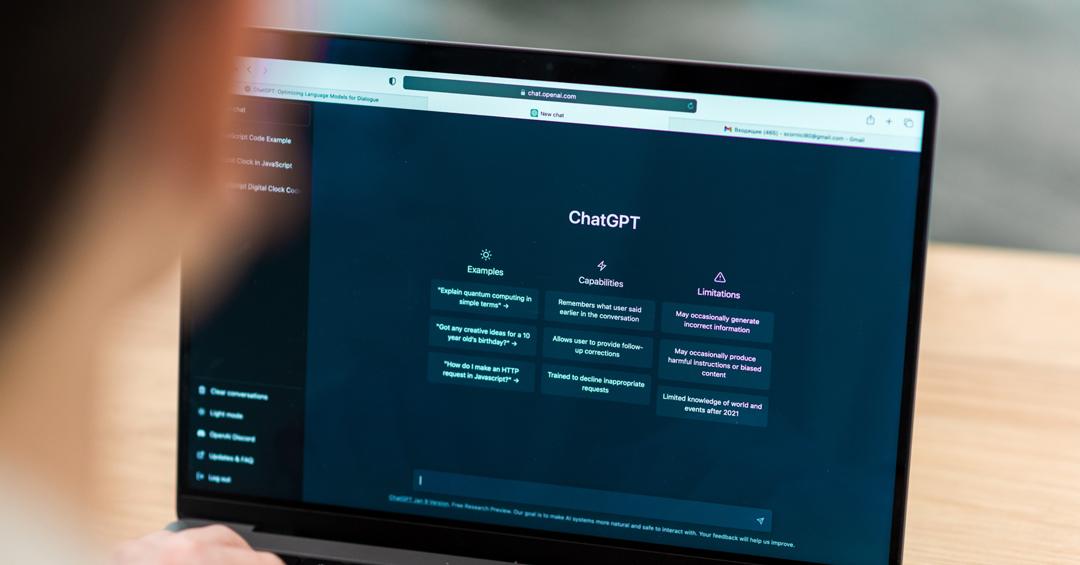
Tools like ChatGPT catapulted us into a new era of phenomenal automation power. Things will never be the same: We live in an AI-driven world. The rate of adoption and increasing dependency on GPTs alone have transformed the face of business—and, with that, marketing.
It’s adapt or…desist.
Without these technologies, you cannot satisfy your customers or keep up with your competitors (let alone outdo them).
Streamlined Marketing To Take You From Surviving To Thriving
Now that we’ve established the necessity of AI and automation in B2B marketing, let’s talk about how to do more than simply use these tools but SLAY with them.
Pristine Lists and Databases
“Garbage in, garbage out” is an important adage in B2B marketing. Keeping pristine records is imperative for personalisation, cross-selling, upselling, product development—you name it.
The first and most important step in streamlining marketing is cleaning up your database(s). Leverage AI tools to help with the heavy lifting.
- Create all the segments you can think of down to the smallest detail (prefix, first name, last name, company, title, designation, products bought, subscribed to newsletter, preferred method of contact, referred and by what channel). Segment everything and think about all the data you can collect and use for more personalised service and RESEARCH.
- Validate your existing data. Check that everything you have has been captured in the proper format and is correct. Aligning your data to specific naming and input conventions will eliminate conflicts (and duplicates).
- Remove duplicates.
- Fill in the gaps. Determine ways to gather missing information. For example, you could use this as an opportunity to revive old leads via a telephone or email campaign. The latter can be automated easily, saving heaps of time. However, the former may be more personal and lead the way to new contacts if the original contact is no longer at the company.
- MINE your data for insights. Use AI to spot patterns in buyer behaviour. For example, product X is almost always purchased in conjunction with product Y.
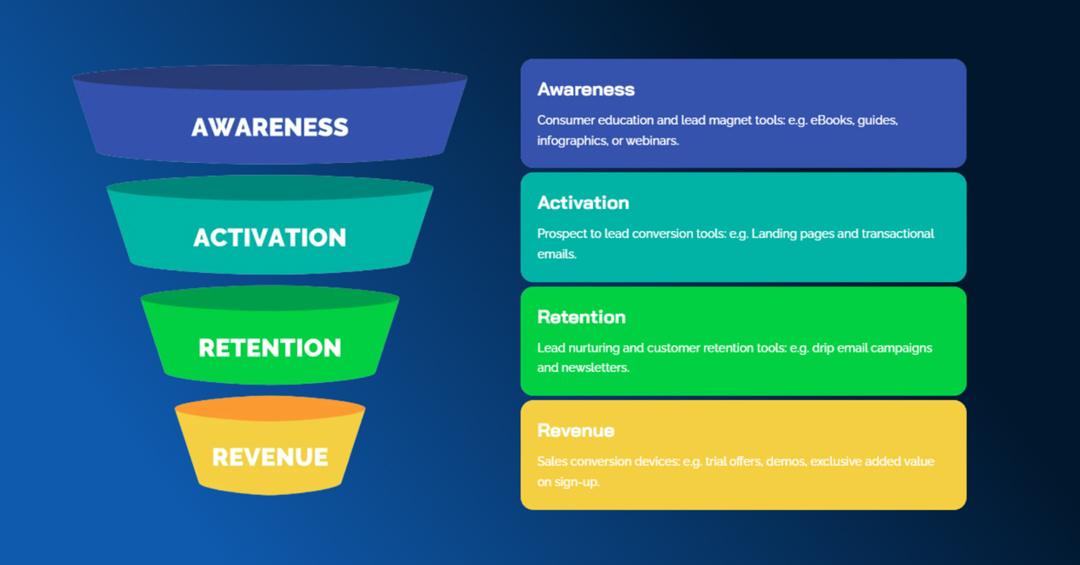
Apply these insights to your digital marketing strategy and, with that, your customer journey and sales funnel.
See if there are any opportunities for product development. You might even see what’s taking up room in your stable with no returns (i.e. what to drop).
Personalisation
Gone are the days when slapping "Dear {First_Name}" at the top of an email counted as personalisation. Today's business buyers expect—no, demand—a level of understanding that proves you're paying attention.

Real personalisation means wielding your data to your advantage. Your business customers expect you to know:
- What products or services they're already using (and how they use them)
- Which solutions might genuinely complement their existing setup
- Their preferred communication channels (whether that's email, LinkedIn, or good old-fashioned phone calls)
- The optimal times to reach them (because nobody wants a sales call during their quarterly board meeting)
Nothing screams "we don't care," quite like bombarding a loyal customer with entry-level product information or—even worse—trying to sell them something they've already bought!
Putting AI to Work for True Personalisation
Let's look at how this works in practice through a Business Solutions SaaS lens.
Your AI system notices that Company X has used your basic accounting package for 18 months. It spots that they're consistently hitting their user limit and regularly accessing advanced features in their free trials. The system automatically:
- Flags this account as ready for an upgrade discussion
- Analyses their usage patterns to identify peak activity periods
- Notes that their IT manager typically opens emails between 8-9 am on Tuesdays
- Recognises they've previously engaged with video content more than written materials
Based on these insights, your automation system:
- Schedules a personalised email to arrive at 8:15 am on Tuesday
- Includes a custom video showing how their specific team could benefit from the premium features they've already sampled
- Highlights the cost-benefit analysis based on their actual usage data
- Arranges for their dedicated account manager to follow up at their historically preferred contact time
This isn't just personalisation—it's intelligent relationship management that shows you value their business enough to pay attention to the details.
Intelligent Marketing Communication
Make Smarter Chatbots
Today's AI-powered chatbots are a far cry from the frustrating "Computer says no" experiences of the past. Armed with LLMs, they can understand context, learn from conversations, and provide genuinely helpful responses. They're not just answering questions—they're engaging in meaningful dialogue, handling complex queries, and even picking up on customer sentiment to escalate to human agents when needed.
Selling While You Sleep
Automate email and SMS campaigns that trigger based on real-world behaviours. For example, if a prospect lingers on your pricing page, abandons a quote request, or hangs up from a sales call. Your systems can spring into action, sending perfectly timed, relevant follow-ups across their preferred channels. It's like having a highly attentive sales team that never sleeps and never misses an opportunity.

Reporting: From Data Overload to Strategic Gold
Modern marketing demands real-time insights, not monthly data dumps that are outdated before reaching the board. Effective reporting maintains a crucial 360-degree view of marketing performance, which enables you to pivot strategies, allocate budgets, and spot opportunities before competitors do.
- Automated Data Collection and Integration
Let AI pull data from your entire marketing ecosystem—social platforms, analytics, CRM, email campaigns, and ad platforms.
- Real-time Dashboards
Configure AI to translate raw data into visual insights that tell a story. Set up automated alerts for significant changes or when KPIs drift from targets.
- Predictive Analytics
Beyond telling you what happened, AI can forecast trends, predict campaign performance, and suggest budget reallocations based on historical patterns.
- Automated Report Generation
Schedule comprehensive reports to generate automatically with stakeholder-specific metrics. Your sales team gets pipeline metrics, the CFO sees ROI figures, and your team gets granular campaign data automatically.
Ready to Transform Your Marketing with AI?
The key to winning with AI and automation isn't implementing every new tool—it's knowing exactly which solutions will drive your business forward. Instead of stretching your resources thin trying to master every new technology, why not leverage proven expertise?