
Google Ads allows B2B businesses to reach decision-makers exactly when they are evaluating solutions. Unlike other channels, it provides intent-driven visibility, appearing precisely when a professional searches for solutions, rather than interrupting their day.
Success comes from strategy, structure, and continuous Google Ads optimisation. Even modest investment delivers measurable B2B ROI when campaigns are built around the buyer’s journey and aligned with broader marketing strategies.
How Can Google Ads Transform B2B Marketing?
Google Ads campaigns deliver value by targeting professionals during evaluation stages, not just driving traffic. Key benefits include:
- Reaching high-value decision-makers with precision
- Aligning campaigns with broader B2B marketing strategies
- Converting intent into measurable opportunities
When structured effectively, Google Ads supports lead generation, builds credibility, and accelerates the decision-making process.

What Types of Google Ads Campaigns Should B2B Businesses Run?
Different campaigns serve different objectives:
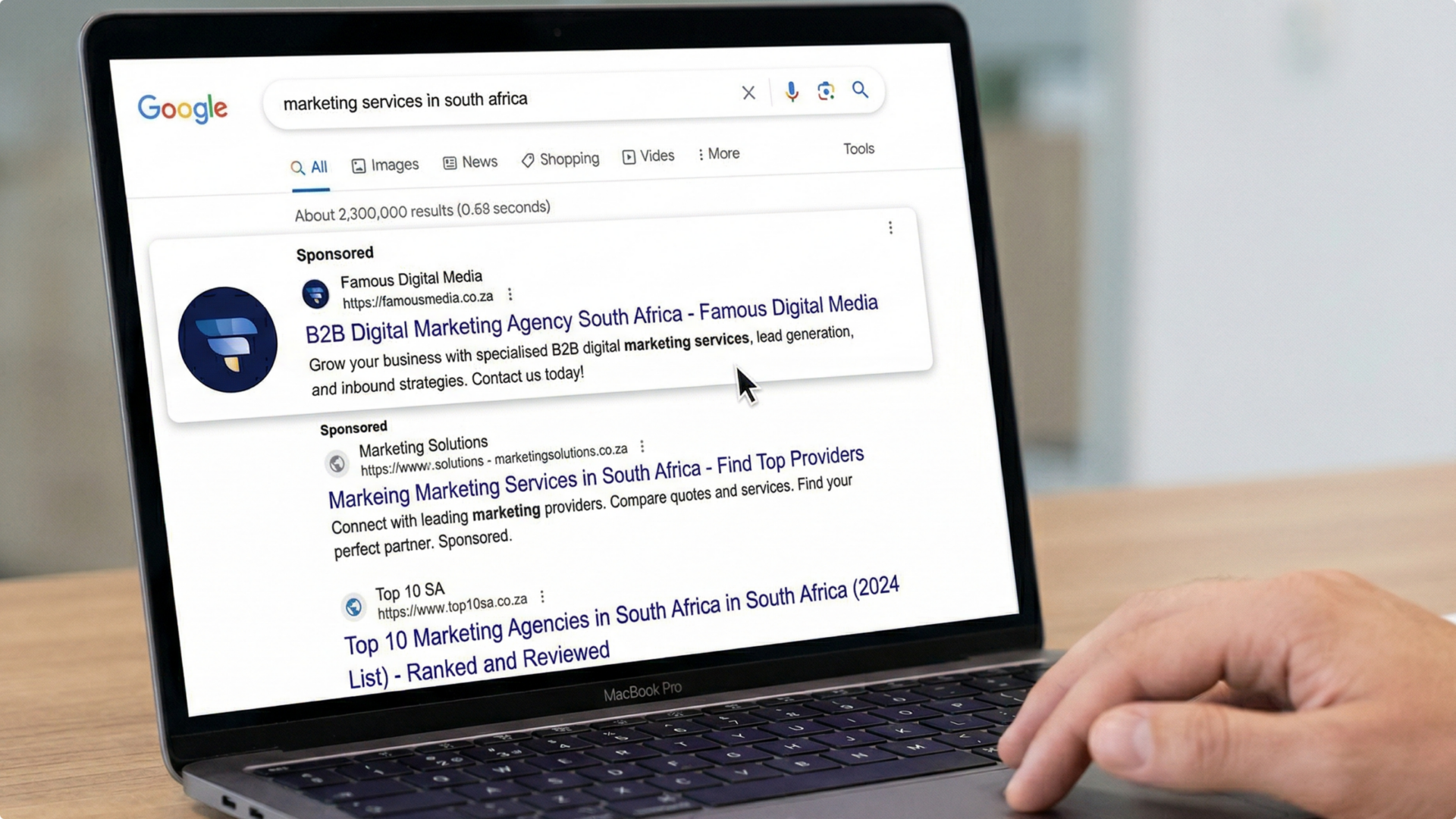
- Search Campaigns connect with professionals actively searching for solutions
- Display Campaigns maintain visibility across industry-relevant websites, including retargeting audiences
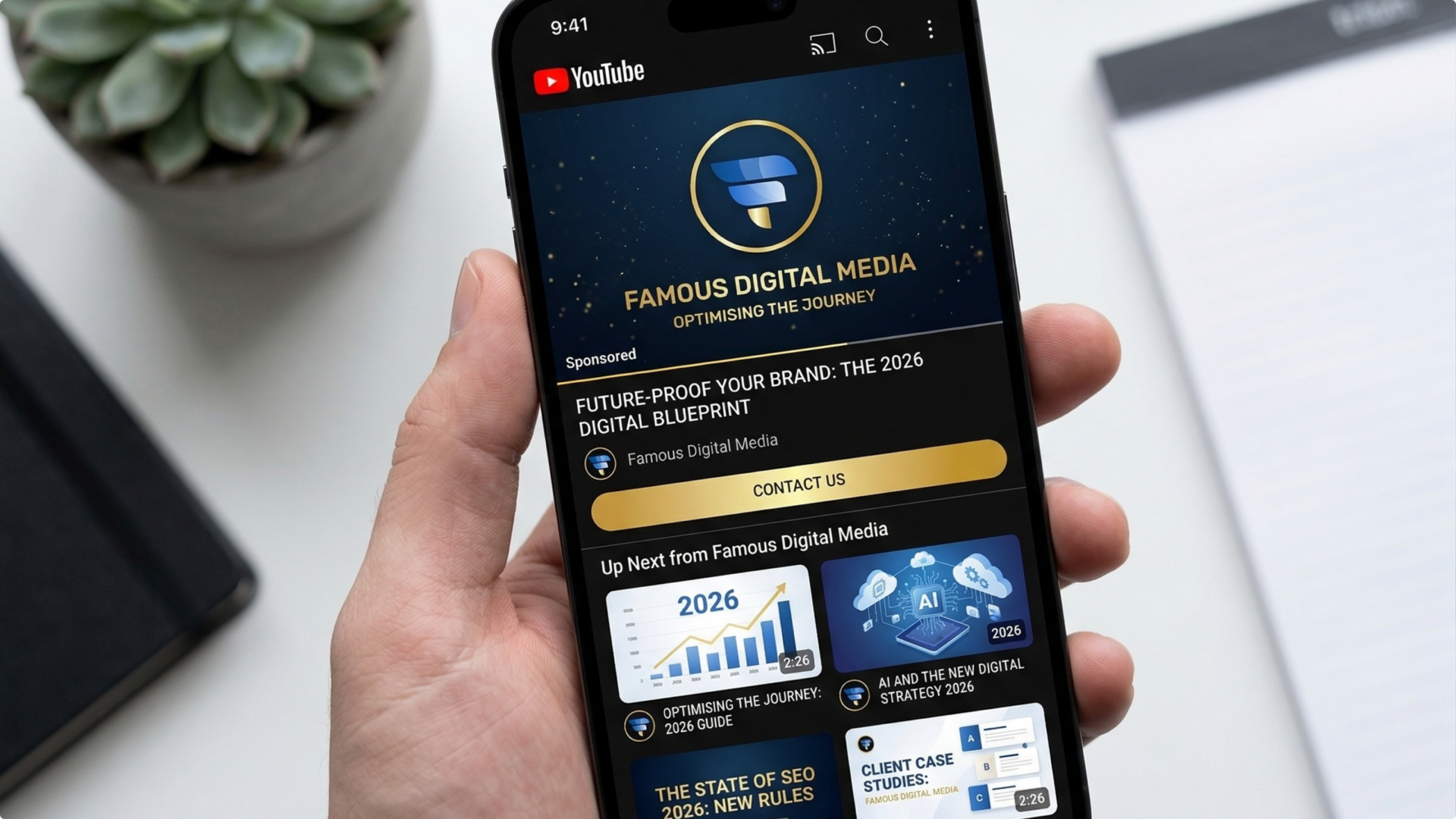
- Video Campaigns communicate complex solutions and build credibility through concise visual storytelling
- Performance Max Campaigns leverage Google’s AI to deliver ads across Search, Display, YouTube, Gmail, and Maps using high-quality audience signals
A smart mix of campaign types ensures coverage at every stage of the buyer journey and aligns with overall B2B marketing strategies.
Which Google Ads Strategies Deliver the Best B2B Results?
Effective Google Ads campaigns are built around precision. The strategies that consistently drive qualified leads and measurable ROI share a few fundamentals:
- Target high-intent keywords that reflect active evaluation
- Use layered audience targeting, including remarketing, company size, and in-market segments
- Align ad copy with business outcomes such as efficiency, competitive advantage, or risk reduction
- Ensure landing pages match intent and deliver on promises
- Manage negative keywords to prevent wasted spend
Every element of a campaign should be built around your buyer's decision-making process, not around platform defaults.
How Do Google Ads Campaigns Impact Revenue and ROI?
The strongest advantage of Google Ads is traceable impact. Well-structured campaigns:
- Deliver qualified leads directly to the sales funnel
- Increase visibility with decision-makers during active evaluation
- Compress buying cycles and build consistent market authority
Ongoing paid media management and optimisation compound results over time, turning incremental improvements into significant ROI.
How Often Should Google Ads Campaigns Be Reviewed?
A structured review cadence is essential for competitive campaigns:
- Weekly: track performance trends and detect anomalies
- Monthly: optimise targeting, test ad copy, adjust bids, and refine negative keywords
- Quarterly: review budget allocation, competitor activity, and strategic alignment
Regular optimisation ensures campaigns improve continuously rather than just holding their ground.
How Can Businesses Maximise the Impact of Google Ads?
Integrating Google Ads into broader B2B marketing strategies ensures campaigns convert traffic into opportunities:
- Reach decision-makers at critical evaluation moments
- Reinforce credibility and technical expertise
- Drive qualified leads efficiently through paid media management
- Continuously optimise campaigns to improve B2B ROI
Smart campaigns guide professionals through their buying journey while delivering measurable business outcomes.
Frequently Asked Questions About Google Ads
What is Google Ads optimisation?
Google Ads optimisation is the ongoing process of reviewing performance, refining keywords, testing copy, improving bids, and removing inefficiencies to increase results over time.
How long does it take to see results from Google Ads?
Early indicators appear within four to six weeks, with consistent performance and qualified leads typically emerging over three to six months.
What is paid media management?
Paid media management is the full lifecycle management of campaigns, from strategy and setup to optimisation and reporting, ensuring budgets drive measurable B2B ROI rather than vanity metrics.
Not Getting Enough from Your Google Ads Budget?
Google Ads campaigns offer transparency, measurable outcomes, and the ability to reach high-value decision-makers. Businesses that implement structured strategy, ongoing optimisation, and paid media management consistently outperform those that don’t.
Get in Touch
Explore how Google Ads campaigns can drive qualified leads and measurable ROI for your business.