

In 2026, your website isn’t a supporting asset anymore. It’s a decision-making tool. Before a meeting is booked, before a proposal is requested, and often before sales is even aware of an opportunity, your website is already influencing the outcome.
For B2B organisations in manufacturing, construction, engineering, energy, oil and gas, software and telecom, this matters. These are high-risk, high-value decisions made by leaders who expect clarity, confidence, and competence from the very first interaction.
This is where user interface design plays a critical role.
Effective user interface design doesn’t try to impress. It removes friction, reinforces trust, and helps decision-makers find the information they need quickly and confidently.
What Is User Interface Design in a B2B Context?
User interface design is the way a website presents information and enables users to interact with it.
In a B2B environment, user interface design governs:
- How information is structured and prioritised
- How easily users can navigate complex content
- How intuitively they can take the next step
This is not about visual style alone. It’s about how the website functions for decision-makers who are evaluating risk, capability, and long-term fit.
Decision-makers aren’t browsing for inspiration. They’re scanning for proof. They want to understand competence, reliability, compliance, and scale, without being sold to.
When user interface design is clear and intuitive, the business feels professional and credible. When it isn’t, confidence drops fast.

Why User Interface Design Is a Business-Critical Asset in 2026
User interface design directly influences how credible your organisation appears online.
B2B buyers now compare every digital experience they encounter, regardless of industry. Your website is judged against the best experiences they see anywhere, not just within your sector.
That’s why design now plays a direct role in credibility.
Research from Stanford’s Web Credibility Project consistently shows that design quality is one of the strongest indicators users rely on when assessing trust, often within seconds.
For leadership teams, effective user interface design affects:
- Whether visitors stay or leave
- Whether they explore deeper or disengage
- Whether they trust what they’re reading
User interface design is not neutral. It actively shapes perception before a conversation even begins.
How Has User Interface Design Evolved?
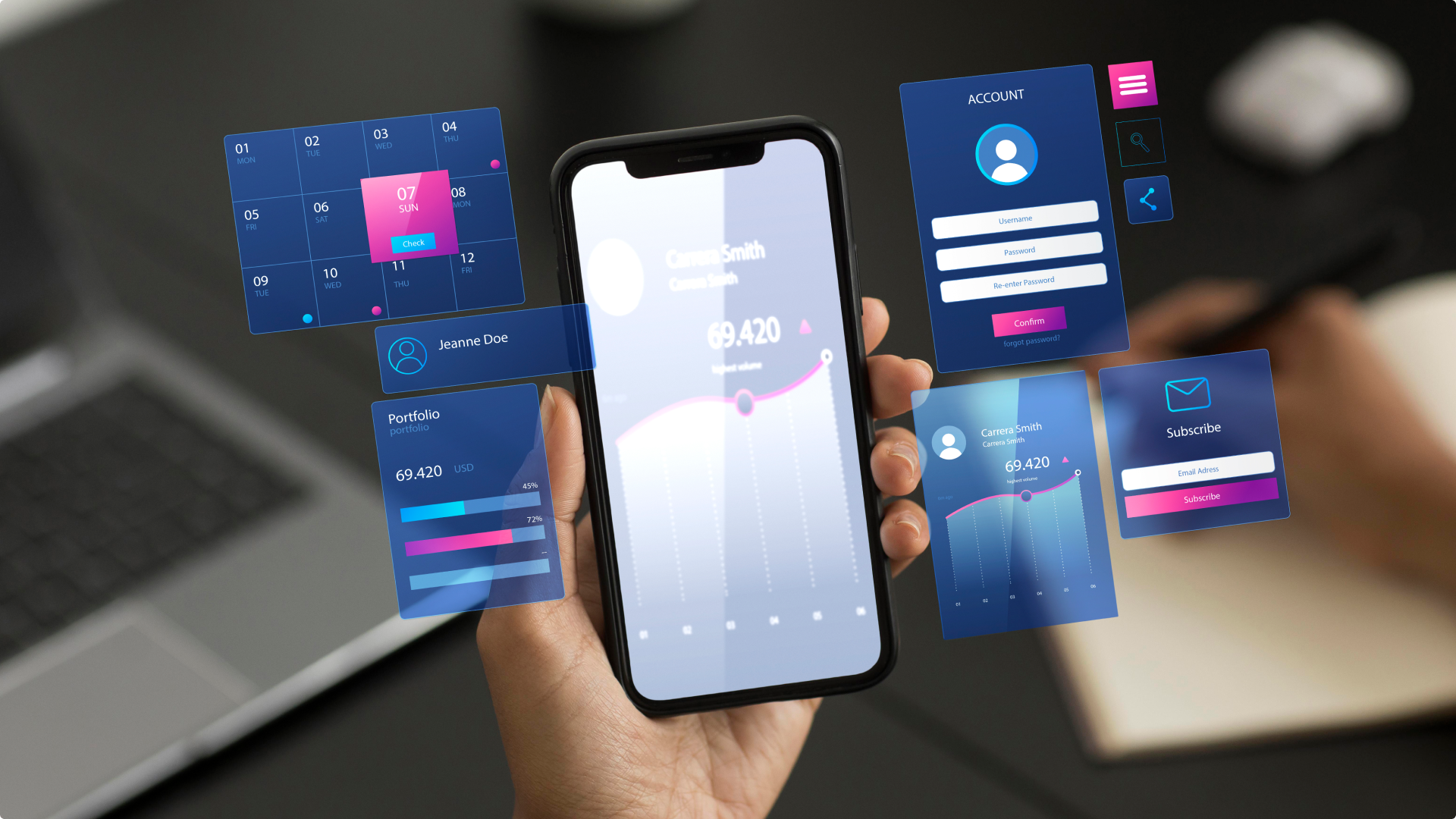
User interface design in 2026 is quieter, more intentional, and more performance-driven than ever before.
The focus has shifted away from visual excess toward functional intelligence. The best interfaces don’t compete for attention. They guide it.
Modern user interface design prioritises:
- Speed and performance
- Clarity of information
- Accessibility across devices and users
- Support for complex decision-making
Google’s own research shows that even small delays in load times lead to significantly higher abandonment rates. Today, design and performance are inseparable.
If a website looks good but slows users down, it fails as an interface.
Why User Interface Design Matters More for Industrial and Enterprise B2B Brands
B2B buying journeys are rarely simple. Multiple stakeholders, extended timelines, and serious financial implications mean your website needs to support careful evaluation, not rushed conversion.
Strong user interface design helps structure this. It allows:
- Executives to access strategic overviews
- Engineers to find technical depth
- Procurement teams to locate compliance and reassurance
When user interface design is done well, each audience can self-navigate confidently without friction or confusion.
This is especially critical in industries where products and services are not easily interchangeable. Your interface must respect the buyer’s intelligence and their time.

The Commercial Impact of Effective UI Design
User interface design has a measurable impact on business performance. Well-structured interfaces consistently lead to:
- Increased time on site
- Lower bounce rates on key entry pages
- Better-qualified enquiries
- Shorter sales cycles.
When users understand your value quickly and clearly, confidence builds naturally.
User interface design is one of the few digital investments that improves brand perception and operational efficiency at the same time.
Frequently Asked Questions About User Interface Design
Is user interface design the same as user experience (UX)?
No. User interface design focuses on layout, navigation, and visual structure. User experience (UX) covers the broader experience, including how users feel interacting with your brand. Strong UI design is a core building block of good UX.
Does user interface design affect lead quality?
Yes. Clear user interface design helps users self-qualify before reaching out. This leads to fewer irrelevant enquiries and more productive conversations for sales teams.
How often should user interface design be reviewed?
User interface design should be continuously monitored through user behaviour and performance data, with formal reviews every 18 to 24 months, or sooner if business strategy or audience needs change.
User Interface Design as a Competitive Advantage in 2026
In crowded B2B markets, differentiation often comes down to experience.
When products and services appear similar on paper, buyers gravitate toward organisations that feel easier to work with. Your user interface design communicates that ease long before a word is spoken.
A clear, confident interface signals:
- Capability
- Professionalism
- Operational maturity
That reassurance can be the difference between being shortlisted and being overlooked.
When Strategic Thinking Meets Design Execution
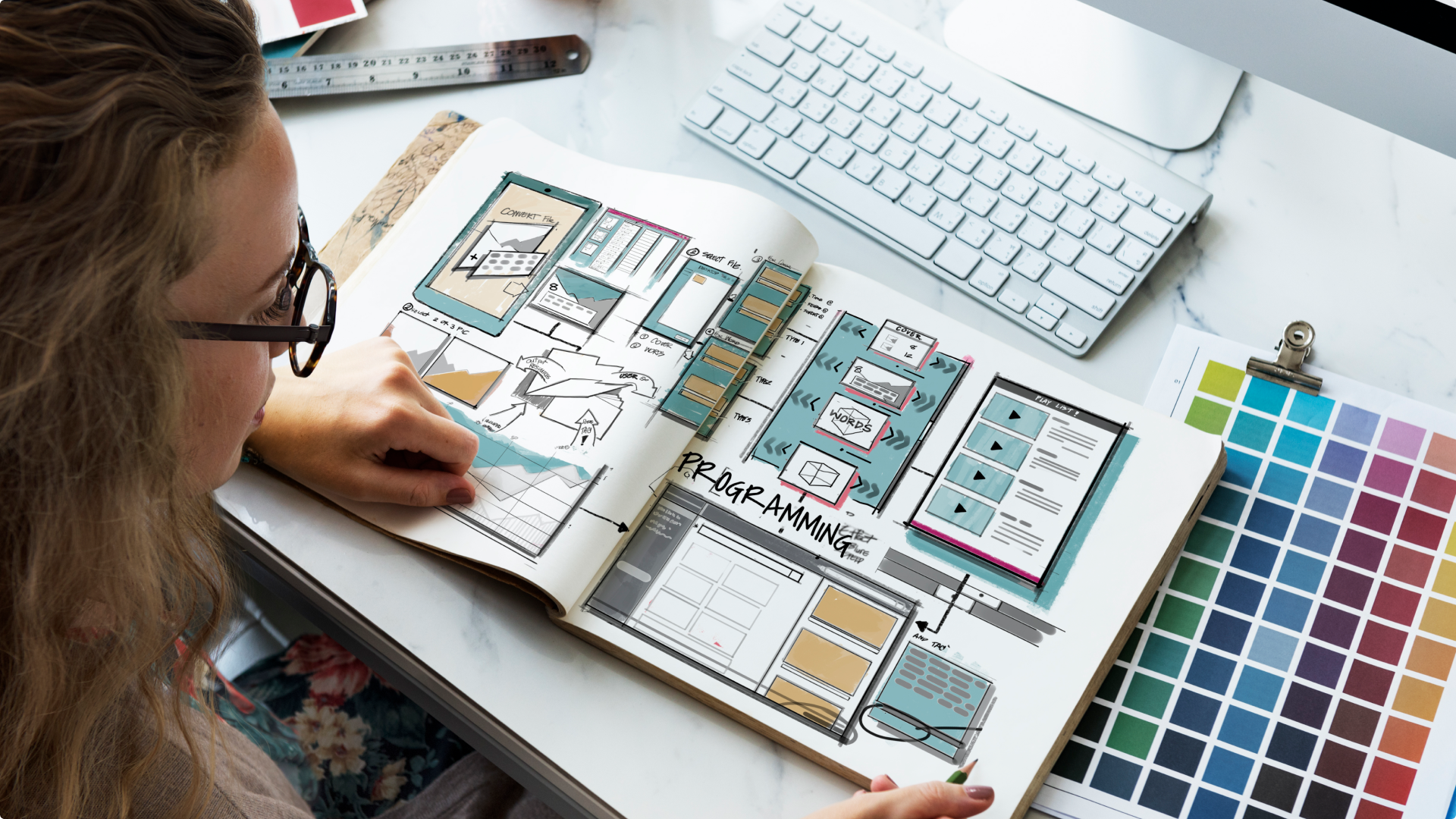
Understanding the importance of user interface design is one thing. Executing it effectively in complex B2B environments is another.
At Famous Digital Media, we design user interfaces grounded in strategy, shaped by real user behaviour, and aligned with commercial goals. We balance clarity with credibility so websites work as genuine business tools, not just visual assets.
If your website isn’t actively supporting trust, engagement, and growth, the issue is rarely content alone. More often, it’s the interface carrying the content.