
As a B2B marketer, you know the SEO vs PPC struggle all too well. Sales want "leads, leads, leads." Finance says, "Save, save, save." The C-Suite wants your site to rank #1 in organic search—but they also can't quite understand that ads can't achieve it. Which means spending time on brand-building, non-sales-related content.
Let's settle the debate with the powers that be once and for all. It's not an either-or situation. The smartest brands have cracked the code: they use both SEO and PPC strategically, and they're absolutely crushing it. Here is how to make SEO and PPC work together to dominate your market.
The Search Engine Optimisation Foundation Every B2B Brand Needs
Search Engine Optimisation is your long-term investment. The digital equivalent seeds that become mighty oaks. SEO focuses on earning organic (not paid for) online visibility through strategic content creation and technical optimisation that builds authority over time.
Key characteristics of SEO:
- Website traffic from organic search results.
- Content-driven approach that answers questions comprehensively (aiding GEO and AI overviews).
- Uses technical tactics, including site speed, mobile responsiveness, and crawlability.
- Relies heavily on User Experience Optimisation (UX).
- Builds authority through backlinks and domain creditability.
- Provides long-term compound growth from momentum built over months and years.
Staying power is the byword of SEO. Although there is a longer wait, it achieves higher rewards. SEO can generate 15 times more clicks than PPC advertising in the long term. [SpyFu].
Once you have earned those top positions, you will enjoy consistent, cost-effective traffic that doesn't disappear the second you stop advertising. The point of SEO is to capture prospects throughout their entire customer journey. From awareness, where searchers are looking for solutions, to purchase readiness, organic search covers the entire user-intent spectrum.
The Framing Power of PPC (Paid Search)
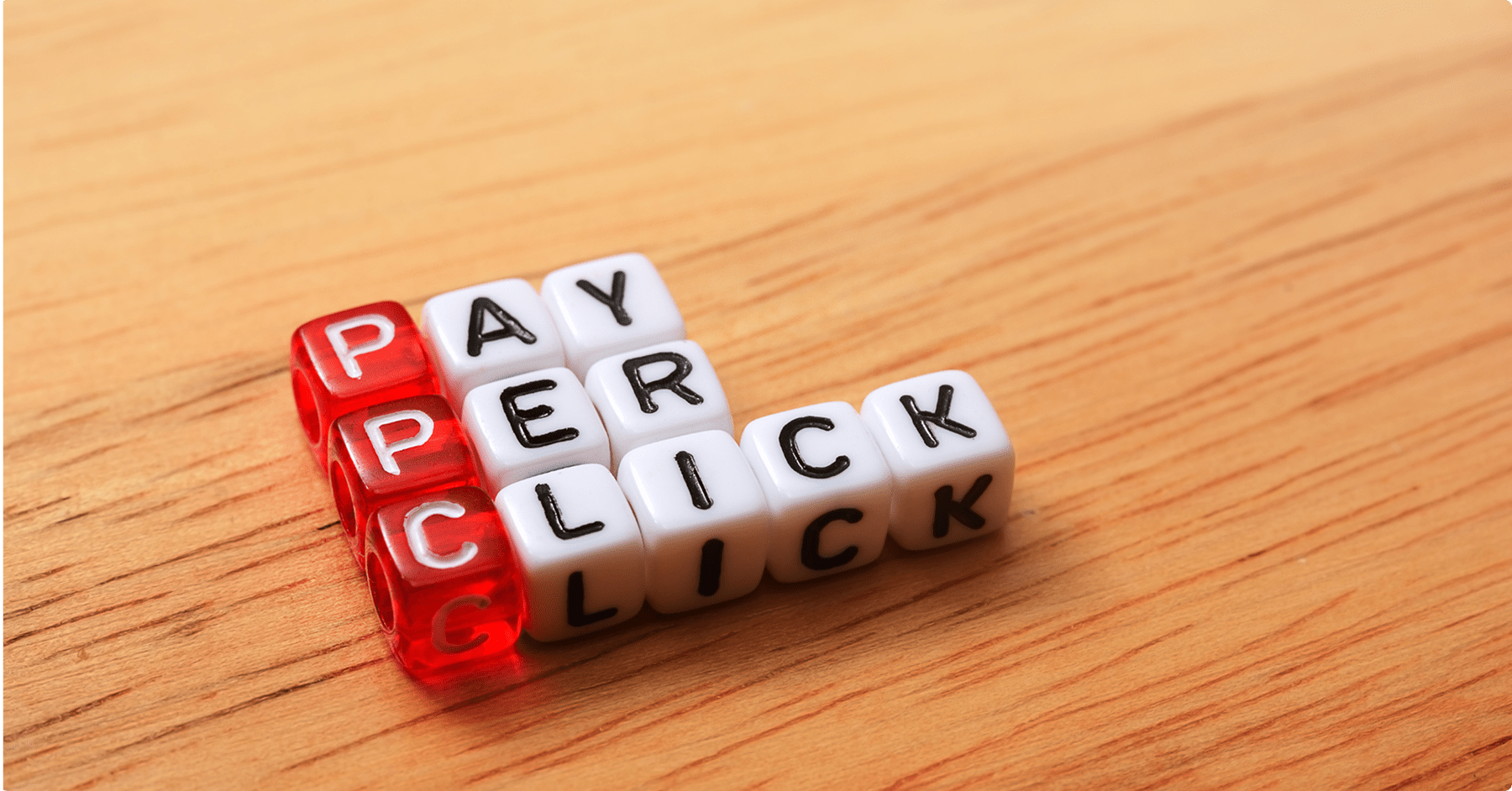
PPC stands for Pay-Per-Click, which is a form of digital advertising on search engines. Most people use PPC as a blanket term when referring to Google's advertising mechanisms within Google Ads. These include Sponsored Search Advertising and Display Advertising. You may also know these collectively as "Paid Search".
Although it goes by many names, the utility of PPC remains the same. It is the framing—or structure—built upon the SEO foundation.
PPC is your immediate action hero. Key characteristics include:
- Instant visibility in search results.
- Using demographics, behaviours, and intent signals for precise targeting.
- Detailed performance tracking, attribution and measurable ROI.
- Flexible budgeting that scales up or down as needed.
- Testing ground for messaging, audiences, and conversion strategies.
From simple text-based ads to today's sophisticated, AI-driven campaigns that leverage machine learning and automation, PPC has evolved significantly. The modern landscape includes responsive search ads, Performance Max campaigns, and intelligent bidding strategies that optimise in real time.
65% of users click on ads when they're actively searching for products online—an immensely powerful way to reach people who are ready to buy. [Cropink]
PPC excels at capturing high-intent searches and quickly testing market demand. It's your go-to for product launches, seasonal campaigns, and when you need to dominate competitive keywords right now.
If we stick to the construction analogy, it is technically possible to build structures without traditional foundations, but it's not advisable. However, with digital marketing this differs, you can run PPC alongside SEO (but we don't recommend relying on PPC alone).
How SEO and PPC Amplify Each Other
The real magic of SEO and PPC is when they work together to create a digital marketing powerhouse.
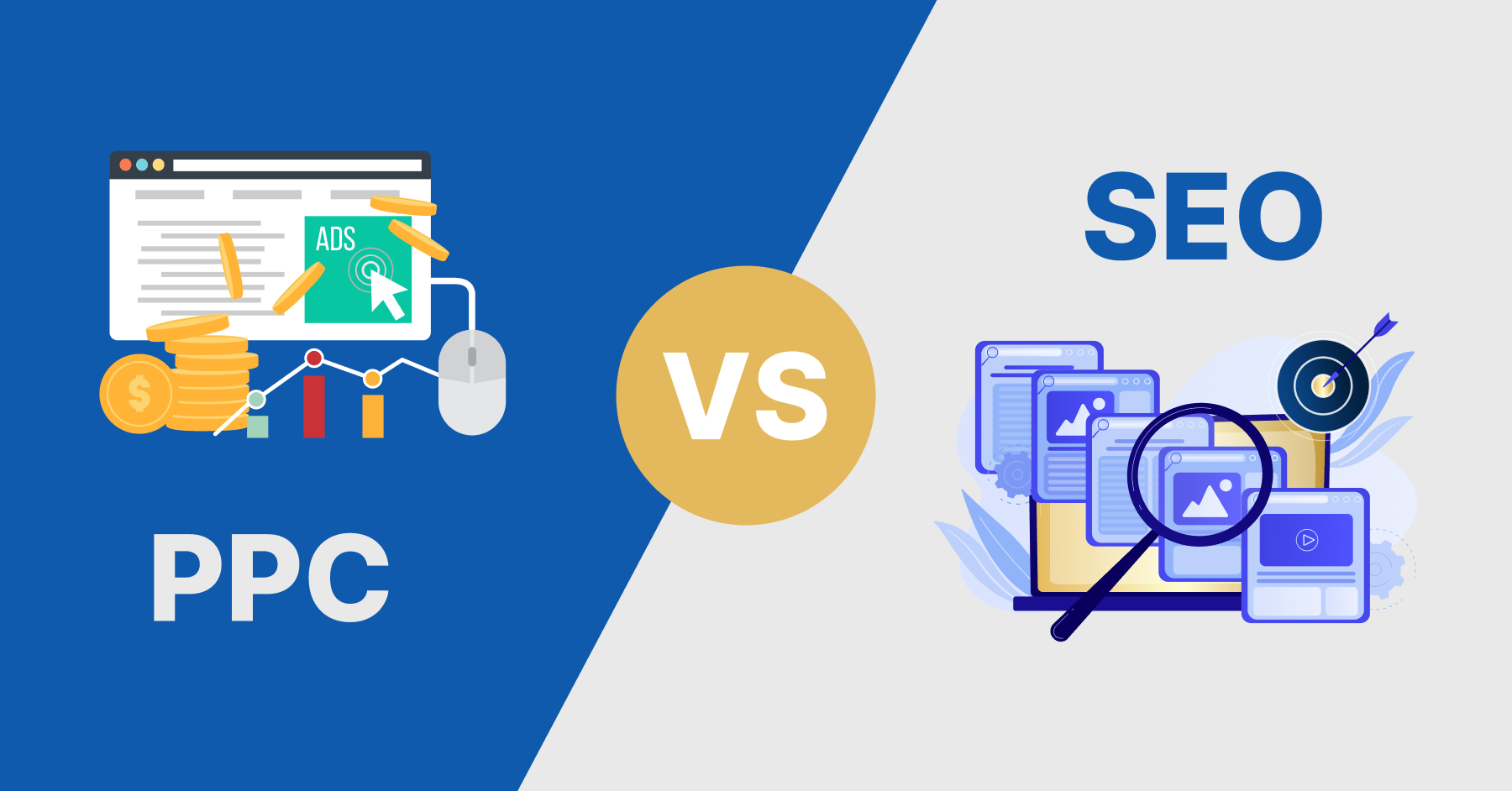
Combining SEO and PPC empowers you to attract immediate and long-term opportunities. Together, they create a synergy that drives superior results.
Integrating PPC and SEO lets marketers like you maximise your reach across the entire user journey while simultaneously improving the performance of both strategies. For real! SEO helps reduce your PPC costs, while PPC brings much-needed traffic to help build authority. It doesn't stop there.
Here's how the dual approach enhances competitiveness, resilience, and ROI.
- Data sharing transforms both strategies. Your PPC campaigns reveal which keywords convert best, informing your SEO content strategy. Meanwhile, your SEO research uncovers long-tail opportunities perfect for cost-effective PPC campaigns.
- Market domination. When you occupy paid and organic positions for key terms, you control more real estate on the search results page. Your increased presence builds trust, increases click-through rates, and pushes competitors further down the page.
- Risk mitigation protects your investment. Algorithm updates can temporarily impact organic rankings, but your PPC campaigns keep traffic flowing. Budget constraints may limit paid spend, but your SEO efforts ensure you remain visible.
In short, harmonising SEO and PPC efforts can lead to cost savings, improved ROI, and more comprehensive digital marketing strategies.
How to Build a Balanced B2B Digital Strategy
Here's a roadmap to balancing immediate results with sustainable growth.
- Create a blueprint, also known as a Digital Marketing Strategy.
Your strategy guides all your online marketing efforts with laser focus. - During the strategy phase, map your customer journey.
Consider the various ways users will land on your website and the steps it will take to convert them into a sale.
Start PPC to generate immediate traffic and collect valuable audience data that will inform your SEO. - Lay a foundation.
Create and optimise educational, trust-building content for the awareness and consideration stages.
Use PPC to target bottom-funnel searches where purchase intent is high and conversion rates justify the cost. - Create feedback loops.
Let your PPC data inform your SEO keyword strategy.
Use SEO insights to identify new PPC opportunities.
Leveraging these analytics and insights creates a self-improving system that gradually strengthens. - Measure holistically.
Track assisted conversions and view-through conversions to understand how your channels work together. Someone might discover you through organic search but convert through a paid ad. That's success, not channel competition. - Scale strategically.
As your SEO efforts gain momentum and reduce cost-per-acquisition, reinvest savings into PPC campaigns for competitive keywords or new market segments.
While your competitors are still debating SEO vs PPC, you can orchestrate an unstoppable growth engine!
Get busy dominating search results by leveraging quick wins with long-term objectives.

Want results like this?
We've been helping brands scale for 10 years—and we're just getting started. Let's discuss how SEO and PPC can drive your business growth.