
If you think every click or conversion is by fluke, think again. Marketers have been leveraging psychological principles to influence consumer behaviour for years.
Consumer behaviour is a branch of social psychology that studies the elements that influence individuals’ purchasing decisions. What makes them choose, use, or refuse products and services? This is your crash course in the psychological triggers behind online consumer behaviour for high-converting content and advertising campaigns.
Influence, Engage, Convert: The Psychology Of Digital Marketing
From meticulous colour selection (utilising colour psychology) when creating your brand identity to user-centric design, almost every marketing decision incorporates psychology. This is why there is so much emphasis placed on target market research.
A deep psychological understanding of your target market uncovers their motivations, needs, and behaviours. This information is crucial for:
- Crafting effective marketing strategies.
- Building genuine connections with customers.
- Driving business success.
Leveraging cognitive biases and other psychological principles, brands can influence why consumers click, buy, or ignore certain content.
How Emotions Influence Buying Decisions
Conventional marketing approaches often emphasise product features and pricing. However, data reveals that online consumer actions are frequently rooted in emotional responses and subconscious triggers.
According to Harvard professor and author Gerald Zaltman, 95% of purchasing decisions are driven by emotions. To be specific, 95% of our decisions are subconscious, and emotions drive these unconscious physical reactions.
Emotional responses and biases often bypass our rational thinking system despite our belief that we are logical.
Zaltman says, “By only marketing the attributes of your product, you will likely generate lacklustre results. And the poor results you receive are due to the fact you are completely missing the subconscious, human element in the decision-making process.”
Therefore, if you want consumers to remember your product or brand and eventually purchase, they must be emotionally engaged.
Emotional Marketing Strategies
There are various ways we can use emotions to influence decisions.
- Positive Emotions: Brands that evoke joy or excitement can foster positive associations, resulting in increased loyalty and repeat business.
- Negative Emotions: Fear or sadness can drive action, such as donating to a cause or purchasing insurance.
Politicians are known for using fear tactics or anger to influence their audience. In politics and marketing, we have a responsibility to publish ethically sound content.
Effective emotional marketing strategies include:
Sensory Stimuli
Visual elements (colours, animations). For example, yellow often suggests warmth and optimism, while blue can imply trust and reliability—think about banks. Audio elements are also powerful, like McDonald’s “I’m loving’ it.” Jingle.
Storytelling
Engaging narratives makes content more relatable, enhancing audience connection. For example, Dove cosmetics changed the narrative of what constitutes beauty for women. Their "Real Beauty" campaign successfully challenged unrealistic beauty standards, sparking global conversations and increasing sales by over 700%.
Hedonic Appeals
Campaigns emphasising pleasure or nostalgia tap into desire and memories for stronger emotional connections. Referencing familiar elements from the past can trigger a sense of belonging. This is an excellent tool for community building. A compelling example is Volkswagen's successful revival of the Beetle, which capitalised on the vehicle's iconic retro design, tapping into a sense of nostalgia for a past era and creating a strong emotional connection with consumers.
Cognitive Bias Tactics: The Shortcuts in Online Decision-Making
In digital marketing, several psychological triggers significantly influence consumer behaviour online.
Authority Bias
We tend to trust authoritative figures. Endorsements from individuals or entities perceived as experts are excellent tools for credibility. Sometimes, we refer to these as “trust symbols”.
Examples:
- Authoritative entities. ISO (International Organization for Standardization) accredited brands show that they uphold rigorous, world-class standards. Therefore, they are trustworthy. For years, SABS-approved brands have borne the mark of quality assurance in South Africa.
- Expert individuals. Oral-B has famously upheld the claim that it is the brand most recommended by dentists.
Social Proof
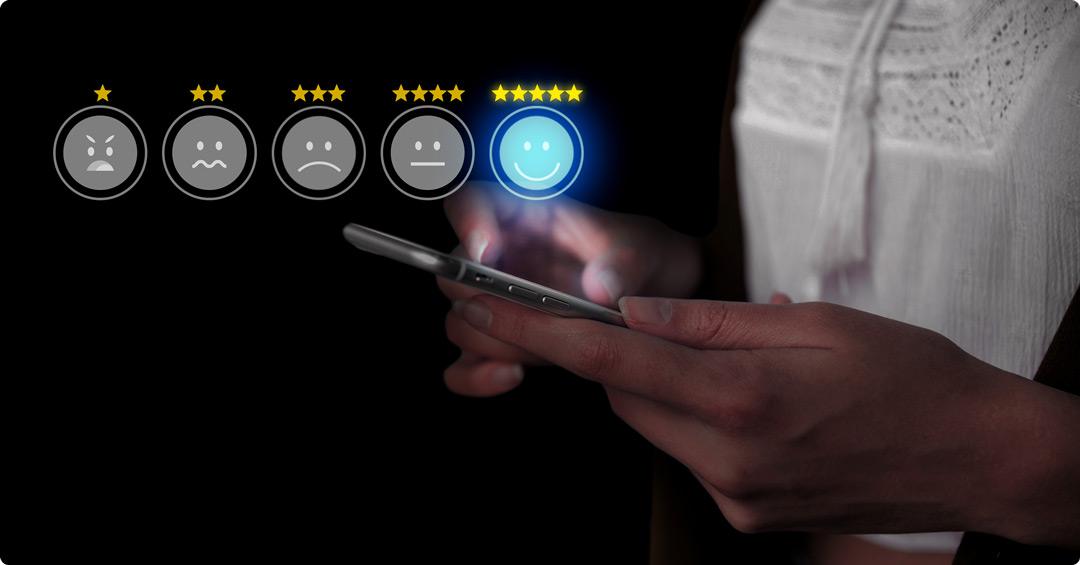
Closely related to authority bias, social proof relies on recommendations and good reviews from peers. This tactic leverages our fundamental need to check in with others, receive cues on how to behave or confirm the status quo.
If you don’t, you probably know someone who checks reviews and ratings before buying online.
72% of consumers trust products with more reviews (Sung, E., Chung, W.Y., & Lee, D.), illustrating the significant influence of social proof on purchasing decisions.
Examples:
- Reviews.
- Ratings.
- Testimonials.
- User-generated content (includes influencer marketing).
Consistency
Consistency plays on our desire to maintain coherence in beliefs and actions. Trial offers, or low-cost introductions are effective ways to leverage this bias. Once a consumer has made a small commitment, they are more likely to make larger commitments in future. Sometimes, we refer to this as “proof of concept.”
Examples:
- Brand loyalty. Staying with a brand is often underpinned by our strong need to remain consistent with decisions. After all, there’s a reason we chose XYZ brand in the first place, right?
- “No Questions Asked” Cancellations. Allowing consumers to cancel at any time with the promise of hassle-free cancellation.
- Checkers Xtra Savings. What starts as a free card that gives the bearer access to select discounts soon evolves into an Xtra Savings Plus, a R99 monthly subscription. The perks (read: design) of the loyalty programme have you shopping almost exclusively with Checkers.
Reciprocity
One good turn deserves another. Or, at least, that’s how are hard-wired. Reciprocity taps into our compulsion to return favours.
When consumers receive something for free, they often feel a sense of obligation to reciprocate through a transaction. These transactions can be monetary (such as a purchase), but brands can also use Reciprocity bias to secure social proof (such as a review, rating, or user-generated content).
Examples:
- Complimentary samples.
- Free trial.
- Free webinar tickets.
- Referral discounts.
- Responsible recycling: Nespresso is a wonderful example of reciprocity marketing. Consumers can drop off their spent coffee capsules for responsible recycling.
Scarcity
When we perceive something as limited, we tend to view it as more valuable or desirable. Limited time offers boost purchase intent by 57% (Psico Smart).
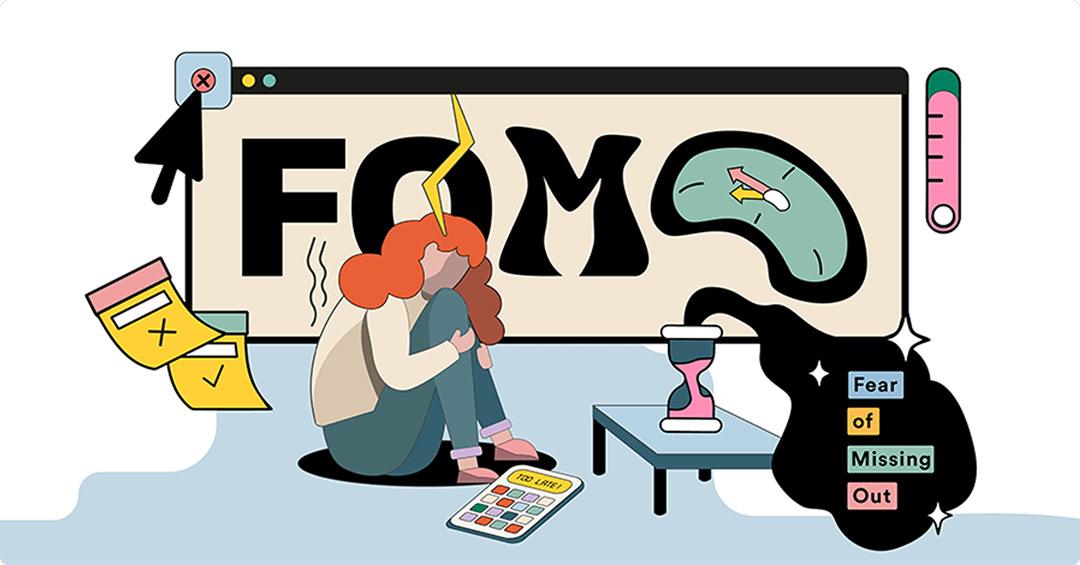
The idea that something might not be available for long creates a sense of urgency to make a decision. It triggers our Fear of Missing Out (FOMO), which is discussed further below.
Similarly, we are attracted to rare items. We feel a sense of honour knowing we own something that can’t be reproduced or only a few other people in the world may have.
Examples:
- Flash sales.
- Clearance sales.
- Limited editions.
- One-time only events.
Fear of Missing Out (FOMO)
FOMO is a potent motivator, tapping into our desire to avoid regret and the anxiety of being left out.
Closely related to scarcity, FOMO triggers impulsivity, urging consumers to act fast. FOMO is almost entirely the driving force behind nudge marketing.
Examples:
- Limited time offers.
- Low stock alerts (e.g. one seat left, only two in stock).
- Countdown times to end of offer.
- 50% off today only.
- While stocks last.
Bargains and Bandwagons
The examples above make two points crystal clear:
- People love a deal. Getting things for free or more value for less money tantalises our tastebuds. Marketers can take advantage of this with:
- 2-for-1 deal.
- Bundle offers.
- Buy one, get one free.
- Annual pricing plans (10% or 15% saving).
- We’re all fans of the bandwagon. The “bandwagon effect” (a.k.a herd mentality) refers to the phenomenon of using popularity to make something seem more desirable. Examples are:
- 10 000 installs.
- Over 50 0000 sold.
- 40 000 customers worldwide.
Cautions
While psychological marketing techniques can be powerful tools, they must be wielded with integrity and responsibility.
The ethical application of psychological principles involves understanding the fine line between persuasion and manipulation. Highlight genuine value rather than making false claims. Today’s consumers honour authenticity above all else. Manipulative tactics can yield short-term results, but beware. Consumers are quick to call out questionable antics.
Lost consumer trust and reputational damage are often irreparable.

Applying The Psychology Of Consumer Behaviour In Your Marketing Strategy
Psychology in digital marketing is the intersection of art and science.
Effective implementation requires thorough consumer research, strategic targeting, and thoughtful application of psychological principles.
- Consumer research goes beyond demographics into psychographics—attitudes, interests, and lifestyle choices that drive decisions. Understanding these motivations helps craft messaging that connects rather than just broadcasts features.
- Strategic targeting ensures your techniques reach receptive audiences. Even brilliant messaging fails when delivered to the wrong segment. Data analytics identifies which psychological triggers resonate with specific customer profiles.
You must be methodical to ensure your marketing resonates with your audience and remains consistent to drive meaningful results.
You don’t need a psychology degree!
At Famous Digital Marketing, our team helps B2B brands effectively implement these principles across various industries and platforms.